









Sustainability
Sustainability at Silac
Sustainability begins at Silac in our own operations: with renewable energy, more efficient processes, and the targeted recycling of plastic waste. As plastic processors, we know that material, product design, and recyclability must be considered together —and we’re working in three areas to achieve this.
Three Areas, One Goal
Sustainability in Business Operations
Solar power, heat recovery, and the recycling of production waste—Silac is constantly optimizing its use of resources.
Sustainable Plastics
Recycled materials, bio-based and mass-balanced raw materials—used strategically where quality and function matter most.
Circular Economy
Reduce material loss, use recycled materials, and keep plastic in the cycle—wherever it makes technical and economic sense.
Sustainability in Our Own Business
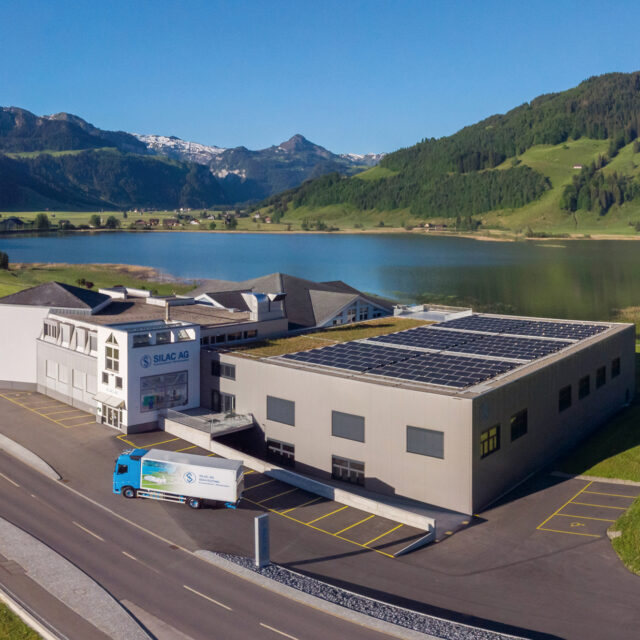
The photovoltaic system on the Silac site consists of 432 modules and generates approximately 137,000 kWh of electricity annually—equivalent to about 10 percent of the company’s own energy needs. This is supplemented by heat recovery and modern injection molding technology, which reduce energy consumption in production operations.
Suitable thermoplastic scraps from production are recycled and reused. Specific examples include spacers made from 100% recycled material and the taketray —a portable pocket ashtray that is also made from recycled material.
Processing Recycled Materials
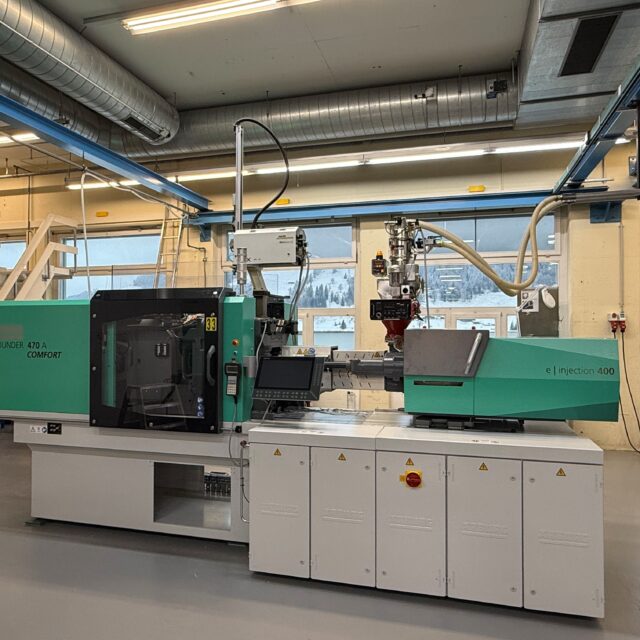
Recycled materials require more effort in terms of material testing, process control, and quality assurance. Variations in the material must be identified and kept under control throughout the production process.
To achieve this, Silac relies on modern injection molding machines equipped with a recycled material package. This allows recycled plastics to be used wherever they offer technical, quality, and economic advantages.
ISCC Plus Certification
With ISCC Plus certification , Silac has internationally recognized proof of more sustainable raw material flows throughout its supply chain. For customers, this provides transparency regarding the use of recycled, bio-based, or mass-balanced plastics.
Silac AG's Environmental Policy
The environmental policy provides a binding framework for addressing environmental issues at Silac. It complements existing measures in the areas of sustainability and environmental management.
Silac operates an environmental management system in accordance with ISO 14001:2015. This includes assessing environmental aspects, setting goals, and monitoring and continuously improving environmental performance.
- Scope of Application
- Principles and Commitments
- Implementation
The environmental policy applies to the development, design, and construction of tools, as well as to the manufacturing, finishing, and assembly of plastic injection-molded and thermoset parts. It also covers sales and logistics for various industries.
Silac AG undertakes to:
• Comply with legal and environmental regulations
• Prevent or reduce environmental impact
• Use energy and raw materials efficiently, particularly in injection molding processes
• Minimize material losses and reuse resulting recyclables in other products to avoid their disposal
• Reduce waste and ensure its environmentally sound recycling
• Reduce greenhouse gas emissions and contribute to climate protection
• To take environmental aspects into account throughout the entire life cycle—from procurement to disposal—in development, design, and procurement
• To involve employees and promote their environmental awareness
• To use the environmental policy as the basis for environmental goals and to continuously improve environmental performance
Silac involves its employees and promotes environmental awareness in day-to-day operations.
Silac uses its environmental policy as the basis for its environmental goals and for the continuous improvement of its environmental performance.
For Silac, sustainability means using resources responsibly, continuously reviewing processes, and keeping plastic in the cycle wherever it makes technical and economic sense to do so.
Using recycled materials, renewable energy, an environmental management system compliant with ISO 14001:2015, and collaboration with customers and partners, Silac is working to develop practical solutions for various industries.
How can we put sustainability into practice?
 +41 55 418 44 00
Mon–Fri 8:00 a.m.–12:00 p.m. / 1:00 p.m.–5:00 p.m.
 info@silac.ch
We’ll get back to you as soon as possible.
Social Media




Subscribe to the newsletter
Links

