









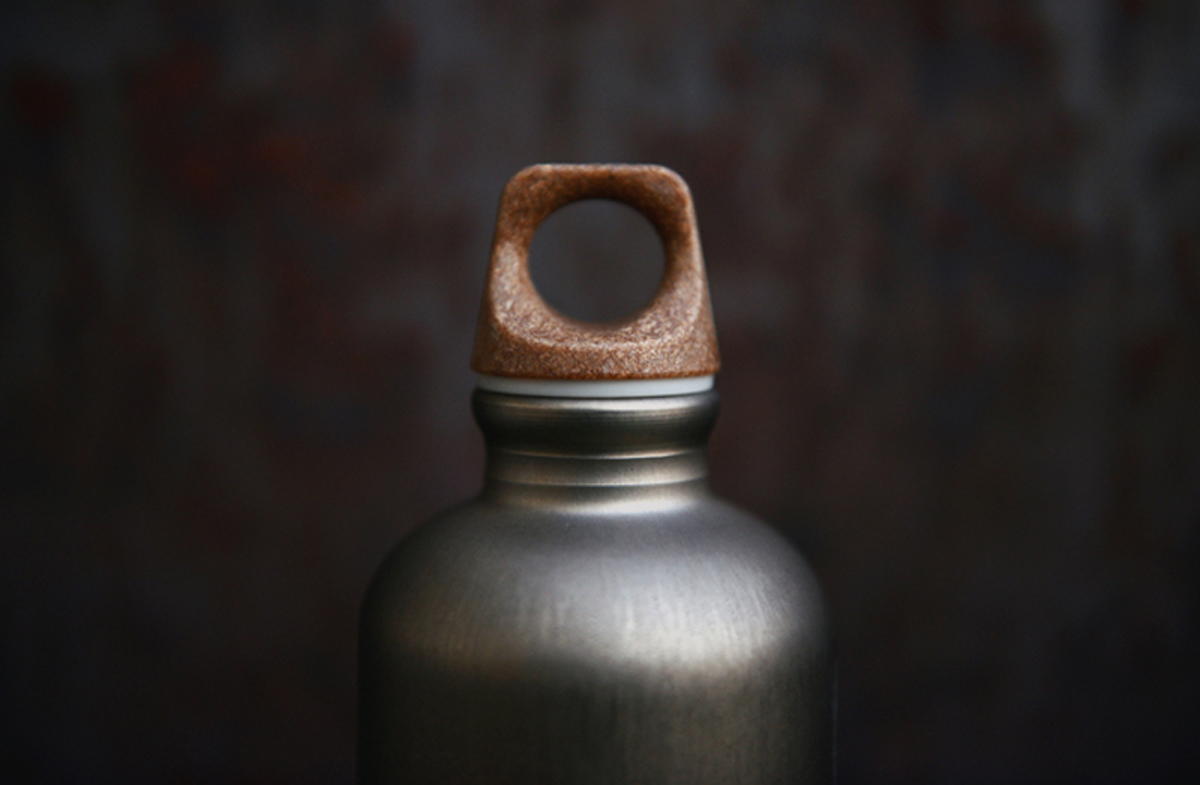
Bio-based plastics made from renewable resources have enormous potential. After all, sustainability is all the rage. SIGG has recognized this as well and is launching the Traveller MyPlanet™ water bottle with an innovative Silac cap made from the renewable material wood.
Plastics are sustainable
Sustainability is also a key issue in the plastics industry. In life cycle assessments, plastics generally perform better than other materials. This is because they are incredibly durable and, above all, lighter. In addition, they can be processed at comparatively lower temperatures. Plastics also have the major advantage of being 100 percent recyclable.
The problem, then, is not plastics themselves, but how we handle them. If society were to recycle them instead of throwing them away, new products could be created from plastic waste an infinite number of times. The raw material cycle would be closed, and the environment would be infinitely grateful to us. Instead, only 30 percent of the plastic waste collected in Europe is currently sent for material recycling. Forty percent is incinerated and used to generate energy. The rest ends up in the trash.
What are bioplastics?
As a family-owned business, Silac is mindful of its responsibility toward the environment and future generations. That is why we place an even greater emphasis on sustainability when it comes to selecting materials, manufacturing, and our own processes. So-called bioplastics are particularly well-suited as an environmentally friendly material option. But what exactly is a bioplastic?
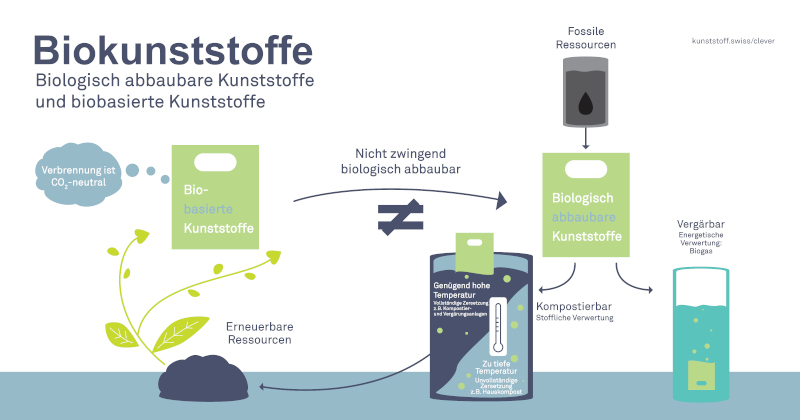
Bioplastics can be divided into biodegradable plastics and bio-based plastics:
- Biodegradable plastics (BAK) are, as the name suggests, completely biodegradable. They are compostable or fermentable. Renewable or fossil resources, such as petroleum, are used in their production. BAKs are used, for example, in compostable trash bags, plates, tableware, plant pots, and mulch films in agriculture.
- Bio-based plastics are produced from renewable resources such as wood or plant biomass. They are not necessarily biodegradable. The raw materials used in their productionabsorb CO2 during their growth phase and sequester it throughout their useful life. If the products are incinerated at the end of their life cycle, only as muchCO2 is released as the plants previously absorbed. A closedCO2cycle.
A clever combination
Innovation requires a willingness to take risks, knowledge, and, of course, time. Silac also learned this lesson when launching its new bio-based plastic. While there are now several bio-based materials available, only a few are approved for use in the food industry. Finding the right bioplastic was one challenge; the subsequent testing phase to determine the correct composition and processing was another.
The choice fell on a bioplastic containing wood, which is recyclable and supplied by the manufacturer in granule form. The desired thermoformed part is manufactured using an injection molding process. Wood is an inert and heavy material. The higher the wood content in the plastic, the more difficult it is to process the final product. Countless tests were conducted to identify the right material that meets the high requirements. Good things take time!
Sustainability is all the rage
Made from renewable materials, this plastic is the right choice for all companies that prefer action over words when it comes to sustainability and environmental protection. With the launch of the Traveller MyPlanet™, SIGG Switzerland Bottles AG is sending a clear message. This trendy water bottle is made from 100 percent recycled aluminum sourced from old high-voltage wires and printing plates. The design is rounded out by the new cellulose-plastic cap from Silac, which gives the bottle a pleasant woody scent. The bottle is developed and produced in Switzerland in a carbon-neutral process. The nature-inspired bottle designs prove that sustainability can also be visually appealing.
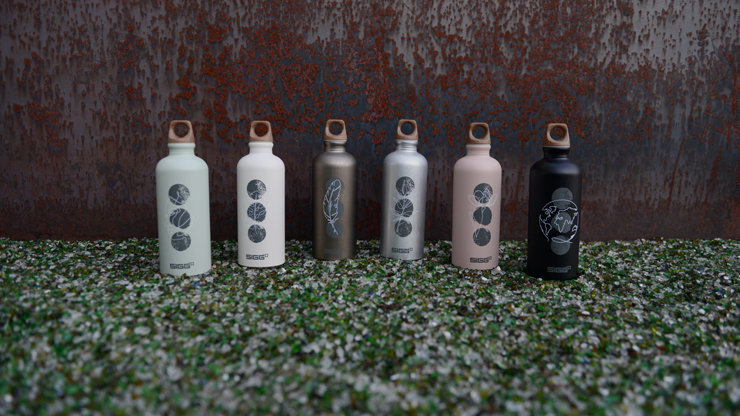
We are all the more pleased with the successful launch of the Traveller MyPlanet™ bottle because the idea for a sustainable thermoplastic lid came from Silac. Thanks to our long-standing partnership and close collaboration, we are able to understand our customers’ needs and develop innovative solutions for them.
Unexpected Potential
The topic of bio-based plastics will continue to occupy us for a long time to come. After all, we are only at the beginning of this fascinating journey. We’re convinced that these bio-based materials have untapped potential—especially when they’re derived from agricultural or forestry waste and can also be 100 percent recycled. We’re excited to see what innovative materials research will bring us in the coming years.